Looking to buy a home in Belmont without the guesswork? You are not alone. Belmont’s close-in location, varied housing, and strong demand can make the process feel fast and competitive. With a clear plan tailored to Massachusetts rules and Belmont’s local nuances, you can move from pre-approval to keys with confidence. This step-by-step guide gives you the exact milestones, timelines, and checks that matter in Belmont. Let’s dive in.
Understand the Belmont market
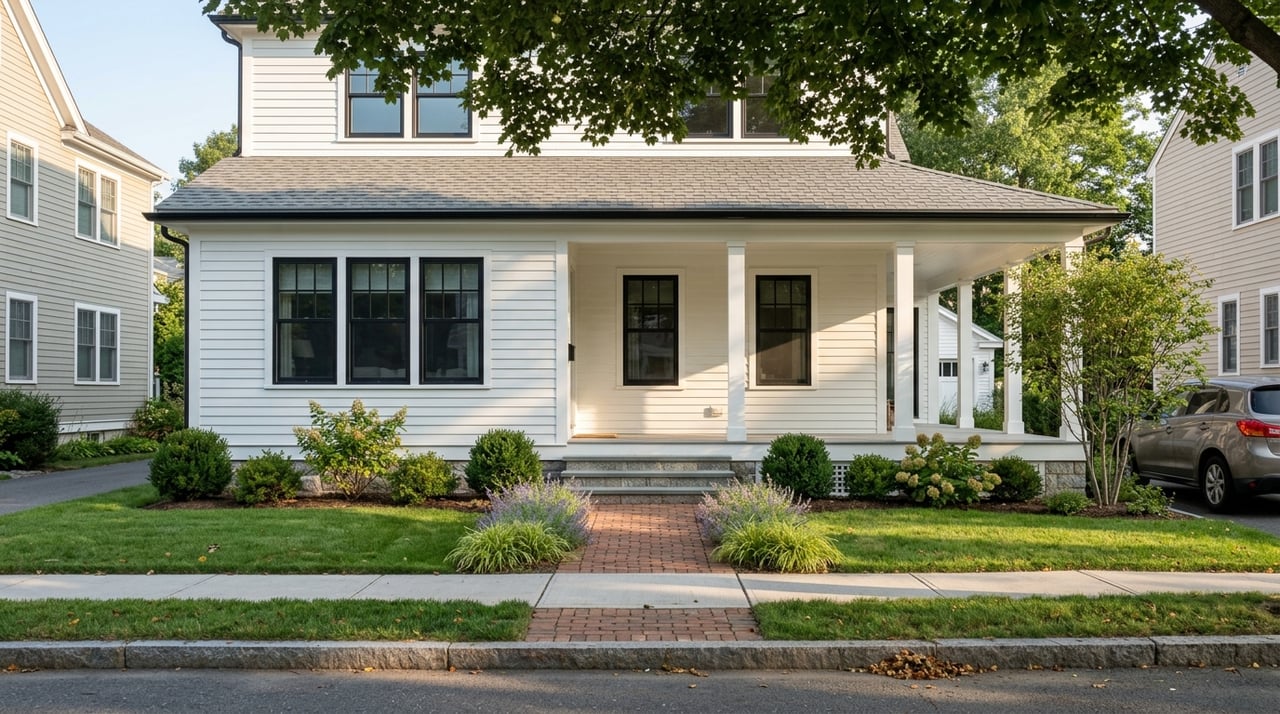
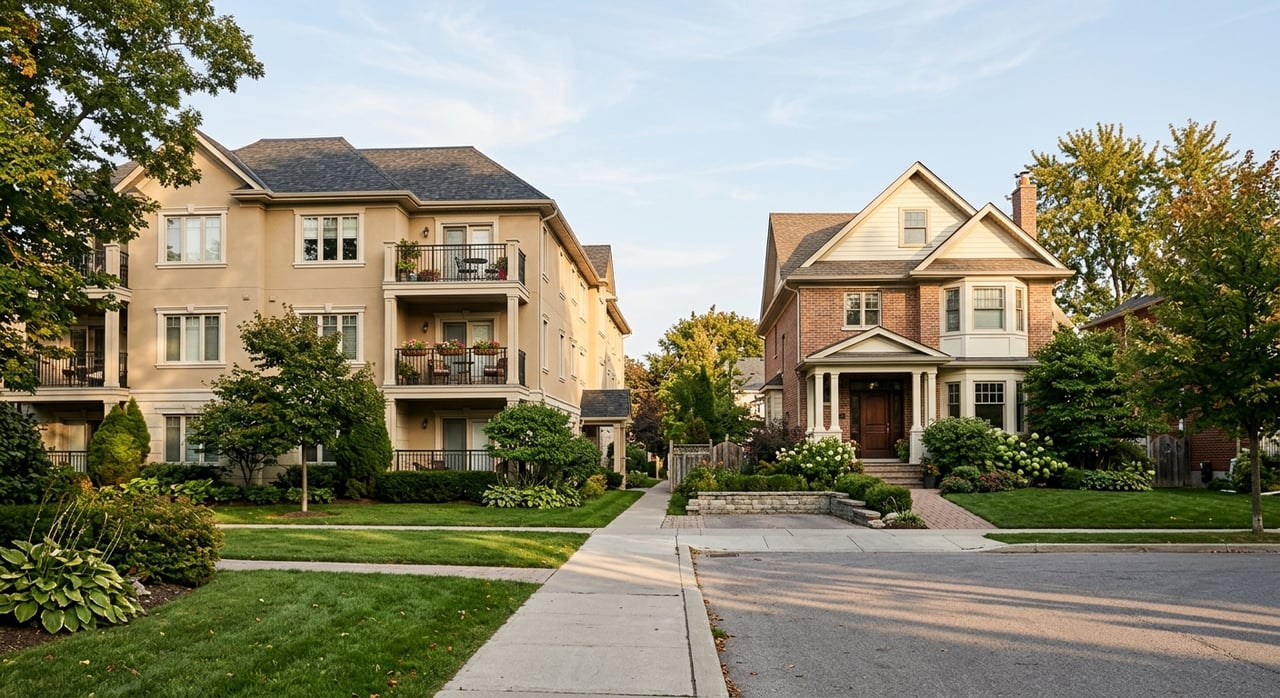
Belmont is a suburban town bordering Cambridge and Arlington. You will find a mix of single-family homes, multi-families, and condos. Micro-neighborhoods include Belmont Center, Waverley, Cushing Square, Payson Park, and areas closer to Lexington and Boston lines. Each area offers different tradeoffs on lot size, walkability, and commute options.
Neighborhood tradeoffs
Start with your priorities: school proximity, commute, lot size or yard, and walkability to shops. School assignment zones and proximity can influence pricing and demand. If school walk zones matter to you, review official school information and confirm boundaries before you offer.
Commute and transit
Belmont residents often commute to Cambridge and Boston. The town has bus connections and access to major routes, with nearby Red Line access via Alewife. Plan to test your actual route during rush hours so you know realistic door-to-door times.
Seasonality and timing
Spring typically brings the most new listings and the most competition. Fall and winter often have fewer options but can present more negotiating room. In fast periods, be preapproved and ready to act quickly. In slower periods, you can be more selective and negotiate terms and timing.
Step 1: Set your budget
Get a written mortgage pre-approval before you tour seriously. It verifies your buying power and strengthens your offer. Discuss down payment options with your lender and plan funds for your earnest deposit and closing costs.
Budget about 2 to 5 percent of the purchase price for buyer closing costs. These can include lender fees, attorney fees, title insurance, and recording charges. Exact costs vary by loan type and property, so ask your lender and attorney to estimate your specific numbers.
Step 2: Choose your agent
Work with an agent who knows Belmont’s micro-neighborhood pricing, inspection priorities, and offer norms. Ask how multiple offers are handled locally, what deposit sizes are typical, and whether sellers often request shorter contingency windows.
Older homes in Belmont can present unique items, such as oil tanks, knob-and-tube wiring, lead paint, or asbestos. A local agent can help you spot red flags early and plan the right inspections.
Step 3: Plan your search
Match your search to your needs: single-family homes can take longer to hit the market than condos, while multi-family properties appear in select pockets. In peak season, be prepared to move quickly. In slower months, consider homes that need light updates or expand your radius.
Ask your agent to pull disclosures and check Belmont Building Department records for prior permits on additions, finished basements, or conversions. Unpermitted work can create cost and legal exposure.
Step 4: Write your offer
In Massachusetts, your offer is a formal, written document that often includes an earnest deposit and leads to a Purchase and Sale agreement. Many buyers and sellers use their own attorneys to prepare and review documents.
Offer documents and deposits
Deposit amounts vary based on price and competitiveness. Funds are typically held by the seller’s attorney or in escrow per the Purchase and Sale terms. Confirm timing and handling with your agent and attorney before you submit.
Smart contingencies
Common contingencies include: inspection, financing, condo-document review for condominiums, and title/closing. These give you time to assess the property and secure financing. If you are buying a condo, plan to review the master deed, bylaws, budget, insurance, and recent meeting minutes.
Competitive tactics and risk
In multiple-offer situations, some buyers use escalation clauses, larger deposits, shorter timelines, or contingent-waiver strategies. These can help you compete but add risk. Never waive protections without understanding the consequences and speaking with your attorney and lender.
Step 5: Hire your attorney
It is customary and advisable to use a real estate attorney in Massachusetts. Hire yours as soon as your offer is accepted, or even before you write it. Your attorney will negotiate the Purchase and Sale agreement, handle title work, and prepare closing documents.
P&S essentials
The Purchase and Sale agreement sets the deposit amount, inspection and review windows, closing date, what conveys with the home, and who pays which costs. It can include seller representations. Once signed, it is enforceable.
Key timing windows
Typical ranges vary by negotiation, but you often see:
- Inspection window: 7 to 14 days from P&S execution.
- Condo-doc review: 7 to 14 days.
- Mortgage commitment: about 21 to 45 days.
- Closing: often 30 to 60 days from P&S.
Always confirm your exact deadlines. Put them on a calendar and schedule inspections immediately.
Step 6: Inspect and verify
Home inspections
Book a licensed home inspector promptly. Standard inspections cover structure, roof, electrical, plumbing, and HVAC. If issues arise, discuss repair requests or credits with your agent and attorney, per your contingency.
Specialized tests
Belmont’s older homes can warrant extra checks. Many buyers consider the following:
- Radon testing.
- Oil tank search.
- Lead paint inspection or risk assessment for homes built before 1978.
- Chimney or wood stove inspection.
- Asbestos evaluation and knob-and-tube wiring checks.
- Mold and moisture review where leaks are suspected.
Condo due diligence
Request the master deed, declaration, bylaws, trust documents if applicable, budget and reserves, insurance coverages, recent meeting minutes, and any details on planned capital projects or special assessments. Confirm parking, storage, rental policies, and any pending litigation.
Utilities and septic
Confirm whether the property is connected to municipal sewer and water or uses a private septic system and well. If the home uses septic, plan for a Title 5 inspection and understand potential repair obligations. Confirm heating fuel type and the age of major systems, especially if the home uses oil heat.
Step 7: Secure financing
Stay in close contact with your lender to move from pre-approval to full mortgage commitment. Submit documents quickly to avoid pressure against your mortgage contingency date.
Appraisal basics
Your lender will order an appraisal. If the appraisal comes in lower than the purchase price, you and the seller can revisit terms. Options include a price reduction, the buyer bringing extra cash, disputing the appraisal, or using an appraisal gap strategy if agreed.
Step 8: Close with confidence
Title and insurance
Your attorney will order a title search and arrange title insurance. The goal is to deliver clear title free of liens or to resolve any encumbrances before closing.
Final walkthrough and closing
Schedule your final walkthrough 24 to 72 hours before closing. Confirm the home’s condition and any agreed repairs. In Massachusetts, closings typically occur at an attorney’s office. After funds are disbursed and the deed is recorded, you will receive your keys. Transfer utilities and confirm your property tax account setup after closing.
Belmont-specific checks
- Building permits: Verify permits for additions, finished basements, or conversions with the Belmont Building Department.
- Historic districts: Some addresses fall in local historic districts or have preservation restrictions. Exterior changes may need approvals.
- Wetlands and floodplain: Check conservation records and FEMA maps for flood status. If required, factor flood insurance into your budget.
- Property taxes and assessments: Confirm current taxes with the assessor and whether any assessments are outstanding.
- Heating fuel and energy: Identify the fuel type and age of heating equipment. Older homes with oil heat may have additional inspection needs.
- Parking rules: Some streets require permits or have winter parking restrictions. Review local rules if you rely on street parking.
Timelines and costs
While every transaction is unique, you can expect these typical ranges:
- Earnest deposit: Varies by price and competition.
- Inspection window: About 7 to 14 days after P&S.
- Condo-doc review: About 7 to 14 days.
- Mortgage commitment: About 21 to 45 days.
- Closing date: Often 30 to 60 days from P&S.
- Buyer closing costs: Plan for roughly 2 to 5 percent of the purchase price, excluding your down payment.
Discuss current market conditions with your agent, since Belmont can move quickly relative to nearby suburbs.
Quick buyer checklist
- Before searching: Get lender pre-approval and retain a Belmont-experienced buyer agent.
- After accepted offer: Hire your attorney and deliver the deposit per P&S instructions.
- During inspections: Complete general and specialized inspections quickly. Consider radon, oil tank, lead, chimney, asbestos, and moisture checks as needed.
- If buying a condo: Request and review condo documents, financials, insurance, and minutes within the review period.
- Financing: Respond to lender requests promptly to meet your commitment date.
- Title and survey: Your attorney orders title search and addresses any liens or easements.
- Final steps: Do your final walkthrough, confirm repairs, and prepare certified funds for closing.
Work with The Marrocco Group
Buying in Belmont rewards preparation and local guidance. You will make better decisions when you align your budget, timelines, inspections, and legal steps from the start. If you want a calm, organized process and a strategy tailored to Belmont’s neighborhoods, partner with a team that combines local knowledge with attentive service.
Ready to move forward? Connect with The Marrocco Group to map your path from first tour to keys.
FAQs
Do buyers in Massachusetts need an attorney?
- Yes. In Massachusetts it is customary and advisable for buyers to hire a real estate attorney to negotiate the Purchase and Sale, handle title work, and manage closing documents.
How long from offer to closing in Belmont?
- Most transactions take about 30 to 60 days from accepted offer to closing, depending on financing timelines, title items, and your negotiated closing date.
What inspections are common for older Belmont homes?
- In addition to a general home inspection, buyers often consider radon testing, an oil tank search, lead paint evaluation for pre-1978 homes, chimney checks, and reviews for asbestos and knob-and-tube wiring.
What if the home has a septic system?
- Massachusetts Title 5 rules apply. Plan for a Title 5 inspection and discuss any required repairs with your attorney and a licensed septic professional early in the process.
How should I approach contingencies in a hot market?
- Shortening or waiving protections can make offers more competitive but increases risk. Review tradeoffs with your agent and attorney and only adjust contingencies you fully understand.
What should I review when buying a Belmont condo?
- Examine the master deed, bylaws, trust documents if applicable, budget and reserves, association insurance, meeting minutes, planned projects, assessments, parking and storage, rental policies, and any pending litigation.