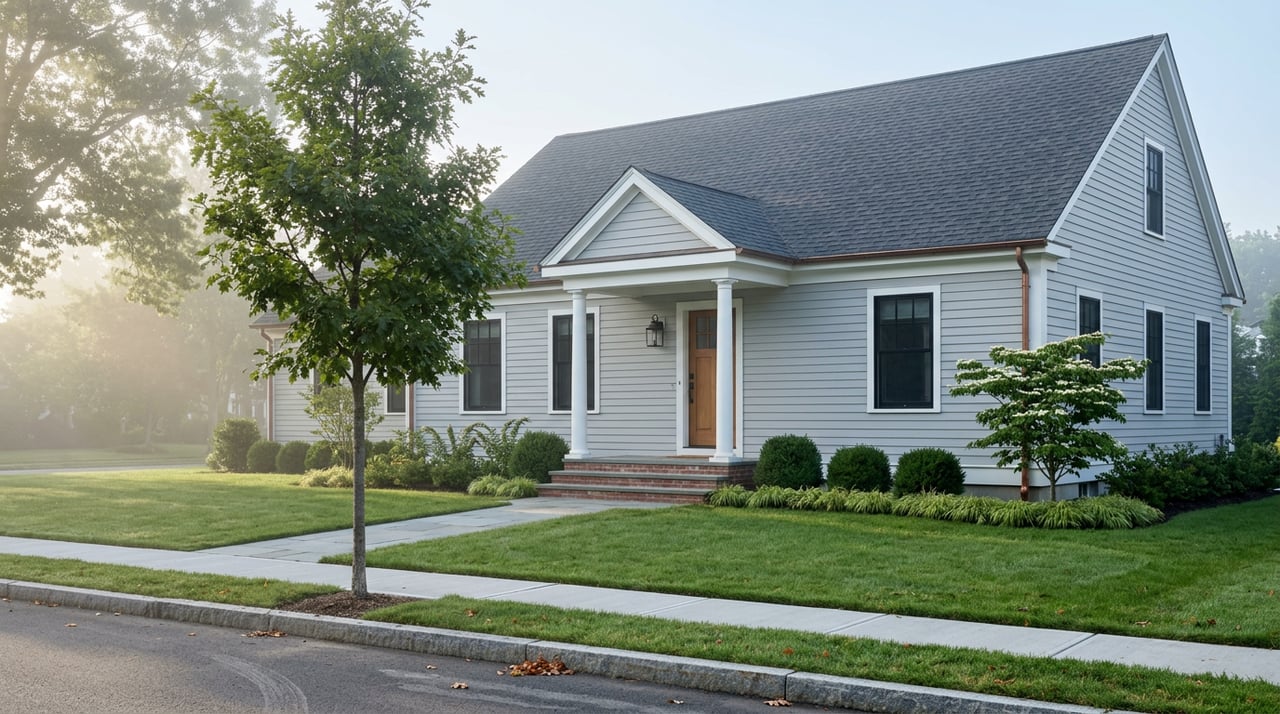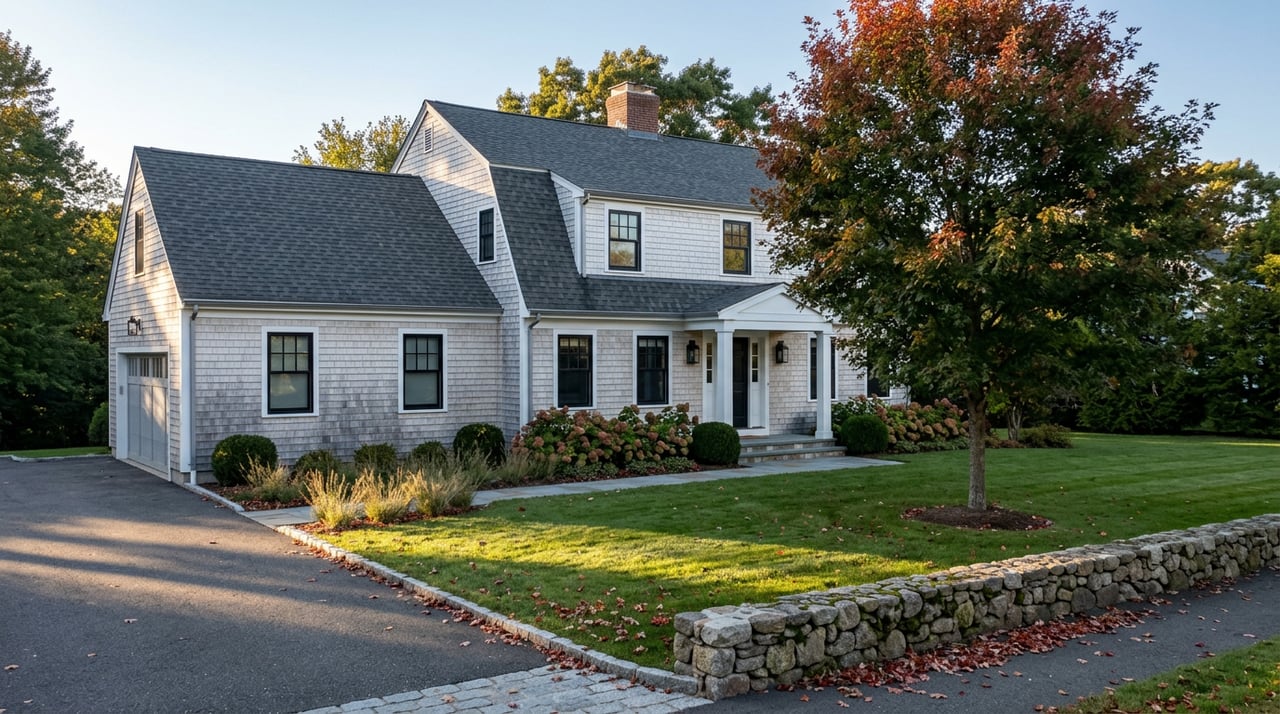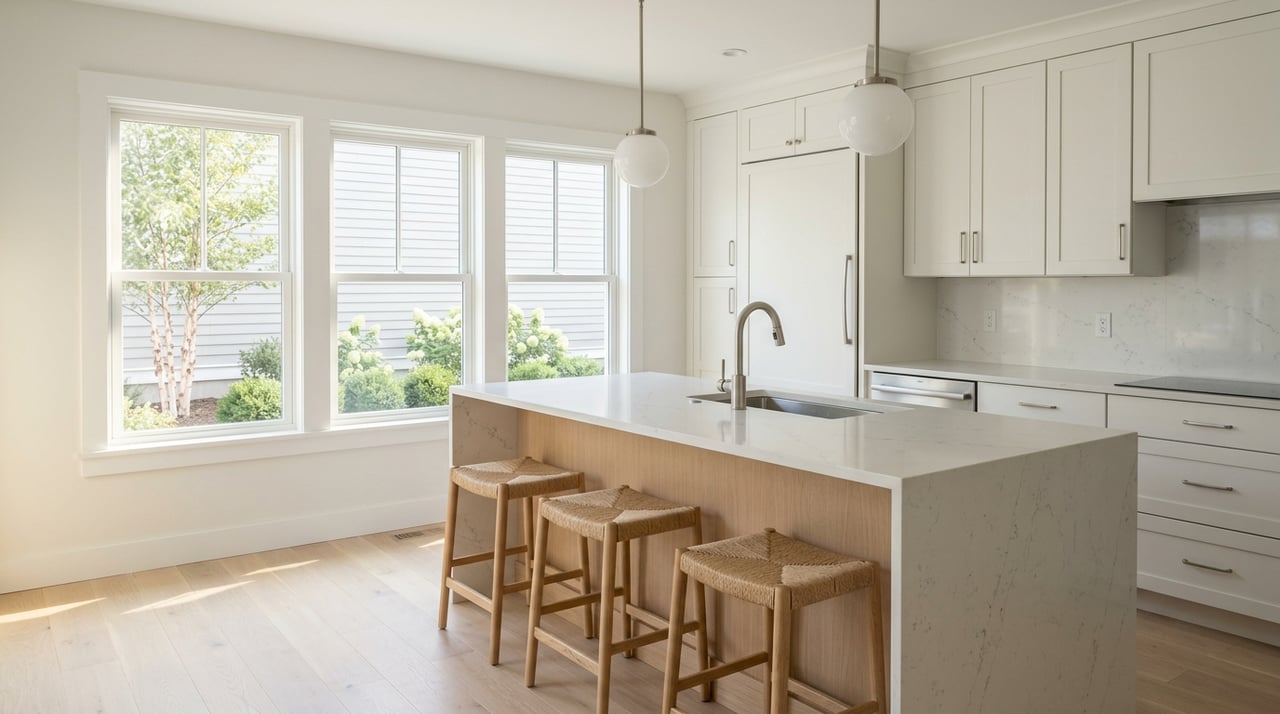
Launching a new-construction project in Lexington can look like a clear win on paper. The market is affluent, inventory moves fast, and buyers are willing to pay for quality. But getting from concept to a successful sell-through takes more than a strong floor plan and attractive finishes. You need the right product, the right compliance strategy, and the right launch plan from the start. If you are preparing a project in Lexington, this guide will help you think through the pieces that matter most. Let’s dive in.
Why Lexington attracts builders
Lexington offers a rare mix of strong pricing, active demand, and a highly connected buyer base. Census data shows an estimated population of 34,648, an 80.5% owner-occupied housing rate, and a median household income of $238,444. The town also has high educational attainment and a buyer profile that supports premium housing choices.
That matters because new-construction projects perform best when the market can support both the price point and the finish level. In Lexington, the median value of owner-occupied homes is $1,203,100, while recent market snapshots point even higher. Redfin reported a median sale price of $1.6625 million in March 2026, and Zillow showed an average home value of $1,609,525 as of April 30, 2026.
This is also a fast-moving market. Redfin reported a median 16 days on market and an average of 9 offers, while Zillow said homes go pending in about 8 days. Even allowing for different methodologies, the message is the same: Lexington rewards well-positioned listings.
Know the likely buyer pool
Before you finalize plans, it helps to understand who you are building for. Based on local demographics and housing patterns, Lexington is likely to attract affluent move-up buyers, long-term owners looking to downsize, and commuters seeking convenience and quality.
Census figures support that profile. About 25.5% of residents are under 18, 21.7% are 65 or older, and the average household size is 2.72 people. That creates room for more than one successful product type, from premium detached homes on scarce lots to attached homes, townhomes, and condominiums where zoning and site conditions allow.
The town is also highly digital. Census data shows 98.6% of households have a computer and 98.2% have broadband access. In addition, 40.3% of residents speak a language other than English at home, which supports thoughtful digital-first marketing and, where appropriate, multilingual outreach materials.
Start with zoning and approvals
In Lexington, entitlement sequencing is not something to figure out later. The town’s zoning bylaw governs land use, dimensional controls, parking, signs, and certain residential development formats. The Planning Board handles special permits, subdivision regulations, and site plan review.
That means your launch timeline should begin with a clear understanding of what the parcel allows and what approvals are needed. A good early review can help you avoid avoidable redesigns, delays, and marketing promises that do not line up with what can actually be built.
A few questions should be answered at the outset:
- Is the parcel located in one of Lexington’s village or multifamily overlay areas?
- Will the project require Planning Board review, site plan review, or a special permit?
- Is the project small infill, or does it fit into a larger corridor redevelopment pattern?
- Will phasing affect approvals, pricing, or release timing?
Lexington’s MBTA Communities overlay districts were found compliant in 2023, and the town says its modified Village Overlay Districts were again found compliant in August 2025. The current project tracker shows a wide pipeline, from 7-unit projects up to 312-unit developments, across locations including Bedford Street, Hartwell Avenue, Concord Avenue, Massachusetts Avenue, Militia Drive, and Waltham Street. That tells builders that Lexington can support both smaller and larger projects when location and zoning align.
Plan for local compliance early
Several local rules can directly shape your design, budget, and sales strategy. The earlier you account for them, the easier it is to keep your project on schedule.
Fossil-fuel-free requirements
Lexington’s Fossil Fuel Free bylaw took effect on March 21, 2024. It prohibits new on-site fossil fuel infrastructure in new construction and covered major renovations. For builders, this can affect system design, equipment choices, buyer messaging, and cost planning.
Inclusionary housing rules
Lexington’s inclusionary dwelling regulations require perpetual affordability restrictions and fair-housing marketing and selection plans approved by the town or EOHLC. The rules also require inclusionary units to be dispersed across the project and across phases when construction is phased.
Where a payment in lieu is allowed, the current amount is $325 per required square foot of gross floor area. If your project may trigger these requirements, you should understand the pricing, restriction, and phasing implications before setting unit mix or release strategy.
Tree bylaw considerations
The town’s tree bylaw can require mitigation, protected-tree documentation, or planting along the frontage. This is one of those items that can affect site planning more than builders expect, especially on tighter infill lots.
Building permit process
Lexington’s permitting process is online through OpenGov/ViewPoint Cloud. The residential new-house checklist requires items such as engineering authorization for a new address, hard-copy and electronic plans, estimated cost, owner authorization, workers’ compensation documentation, a plot plan, and the Building Department’s permit-calculation worksheet.
Match the product to the market
Lexington is not a starter-home market. It is a premium-price market, and your product needs to justify its position clearly.
Current resale benchmarks suggest buyers are already paying around $1.61 million to $1.66 million for existing homes, depending on the source and timing. That means new construction can command attention, but only when the premium is supported by the right package.
In practical terms, buyers are likely to look closely at:
- Layout efficiency and livability
- Lot quality and site appeal
- Garage and parking convenience
- Energy systems that align with local rules
- Finish level and design cohesion
- Ease of ownership for the intended buyer
The strongest fit in Lexington is likely to be a premium blend of detached infill homes, smaller attached homes or townhomes on redevelopment sites, and condominium product where zoning and site size support it. That conclusion is based on the town’s housing goals, ADU policy, owner-occupied profile, and current development pipeline.
Build the sales strategy before release
In a market this fast, it is easy to assume the homes will sell themselves. That is usually the wrong approach.
A strong Lexington launch should begin well before the first public release. The market may be quick, but pre-market education still matters, especially when you are introducing a new product, new location story, or phased development.
Your launch plan should usually include:
- Early broker outreach
- Polished renderings and floor plans
- A clear digital registration process
- Buyer-facing materials that explain the project simply
- A staged model or thoughtfully presented space, if possible
- A release calendar that aligns with construction timing and required phasing
That last point matters even more when inclusionary units must be distributed across phases. Your pricing, inventory timing, and sales messaging should work with the phasing plan, not against it.
Why digital marketing matters in Lexington
Lexington is especially well suited for a digital-first launch. Nearly all households have computers and broadband access, which supports online registration, virtual materials, and fast follow-up.
For builders, that means your first impression often happens online. Clean visuals, accurate plans, concise specifications, and a simple inquiry path are not extras. They are core launch tools.
A polished digital rollout also helps buyers compare value quickly. In a premium market, buyers want to understand why your project stands apart. That story should be visible from the first touchpoint, whether they find the project through listing alerts, social promotion, broker communication, or direct digital marketing.
Align your launch with Lexington’s housing context
Lexington’s broader housing conversation also matters. The town’s 2022 comprehensive plan calls for a wide range of housing options, a range of housing types in a variety of locations, environmentally sustainable housing, housing for older persons, and policies that affirmatively further fair housing.
The town’s ADU policy similarly aims to increase smaller units and broaden housing choice. At the same time, local affordability pressure is real. A Lexington FAQ states that 21% of households are below 80% of area median income, and that 65% of low-income renters and 76% of low-income owners are cost burdened.
For builders, this context is important because it shapes local expectations around project design, compliance, and community discussion. It does not mean every project should look the same. It means successful projects tend to fit the town’s regulatory and housing framework rather than fight it.
Work with a local sales partner early
Launching well in Lexington is not just about listing homes once they are complete. It is about building a coordinated go-to-market plan while approvals, pricing, phasing, and presentation are still being shaped.
The Marrocco Group is Lexington-based and works with large residential developments, premium single-family homes, condominiums, and new-construction projects across Lexington and nearby Middlesex County communities. Their marketing-first approach, local market knowledge, builder relationships, and experience with development sales make early collaboration especially valuable when timing and positioning matter.
For many builders, the smartest sequence is simple:
- Engage your sales team early.
- Align the project with local zoning and compliance requirements.
- Set pricing and release assumptions around current market velocity.
- Prepare polished buyer-facing materials before public launch.
- Keep the story clear from first teaser through final phase.
In a town like Lexington, careful launch discipline can make the difference between strong momentum and unnecessary friction.
If you are preparing to bring a new-construction project to market in Lexington, The Marrocco Group can help you shape the pricing, presentation, and sales strategy from the earliest stages.
FAQs
What makes Lexington, MA attractive for new-construction projects?
- Lexington offers a high-income, mostly owner-occupied housing market with strong home values, fast sales activity, and a buyer base that supports premium pricing when design and quality are well executed.
What local rules should builders review before launching a project in Lexington?
- Builders should review zoning, Planning Board requirements, MBTA overlay applicability, Lexington’s fossil-fuel-free bylaw, inclusionary housing regulations, tree bylaw requirements, and the town’s building permit checklist.
What types of new homes fit the Lexington housing market?
- Based on current market conditions and local housing goals, strong-fit products may include premium detached infill homes, attached homes or townhomes on redevelopment sites, and condominiums where zoning and parcel size support them.
How fast do homes sell in Lexington, MA?
- Recent market snapshots show a fast-moving market, with Redfin reporting a median 16 days on market and Zillow reporting homes going pending in about 8 days.
Why should builders plan marketing before the first public release in Lexington?
- Early marketing helps educate buyers and brokers, supports stronger absorption, aligns messaging with project phasing, and creates a cleaner launch in a market where buyers move quickly.
How can The Marrocco Group support a Lexington new-construction launch?
- The team offers local market knowledge, builder-focused sales strategy, pre-market exposure planning, and project marketing support for premium new-construction and residential developments in Lexington and nearby communities.