Is winter really the wrong time to buy in Gloucester? If you have heard that every great coastal home waits for spring, you are not alone. The truth is more nuanced, especially on the North Shore. You can find real opportunities in winter if you plan for season-specific challenges and negotiate with care. In this guide, you will learn what actually happens in the cold months, how to structure a smart offer, and which inspections matter most for coastal homes. Let’s dive in.
Winter market in Gloucester
Seasonality on the North Shore
Housing across New England follows a seasonal rhythm. Listings and buyer activity rise in spring and cool down in winter. Gloucester and neighboring coastal towns fit this pattern, with fewer active listings in December through February and more in late winter and spring. Second-home owners often favor spring or summer to capture more foot traffic, while commuter buyers from Boston may time moves around job changes and school calendars.
Price and timing
Winter usually means fewer showings and fewer competing buyers. That often opens the door to better terms, more flexible timelines, and seller concessions. Days on market can stretch out, and price reductions are more common than in spring. The extent varies by year and by neighborhood, and standout homes in prime locations can still draw strong interest.
Myths vs realities
Myth 1: No good listings hit in winter
Reality: You can find quality homes in winter. Many sellers list due to real life needs rather than timing strategy. Those listings can fly under the radar while other buyers wait for spring. You may not see the same volume, but the right property can appear at any time.
Myth 2: You cannot negotiate in coastal towns
Reality: Even in desirable waterfront areas, winter can reduce competition. Motivated sellers often consider credits, repairs, or timing flexibility. The exception is a rare, highly sought-after home. In that case, be ready to move fast and lean on recent comparable sales.
Myth 3: Inspections do not work in winter
Reality: Inspections are essential in winter, not optional. Snow and ice hide issues like roof wear, drainage, and exterior rot. That just means you build in protections, such as standard inspection contingencies, re-inspection rights after thaw, or repair credits for items that cannot be fully evaluated.
Myth 4: Financing and appraisals are harder in winter
Reality: The process works the same, but appraisers may have limited visibility on snow-covered exteriors. Lenders and underwriters might ask for extra documentation on heating systems or oil tanks. Work with a lender familiar with Massachusetts coastal properties and seasonal conditions.
Myth 5: Moving mid-year is too complicated
Reality: Winter moves add logistics, but they are manageable with planning. Consider school calendars, snow removal, and utility transfers. If you are moving from Boston, test your commute during winter conditions to see what it will feel like in real life.
Smart winter offer strategies
Price and terms that work
Start with recent comparable sales from the last 30 to 90 days rather than relying only on list prices. Your offer should reflect cooler seasonal demand while staying competitive for the property’s condition and location. Keep your inspection and financing contingencies. You can still present a clean offer by aligning with the seller’s preferred closing date and demonstrating strong lender readiness.
Concessions to consider
Winter sellers are often more open to concessions. You can request credits for roof, chimney, or exterior items that cannot be fully inspected under snow. For coastal homes, consider credits related to flood mitigation or deferred maintenance. If appliances or systems need attention, aim for a closing credit rather than rushed work in difficult weather.
Timing your closing
Holiday weeks and municipal schedules can slow down permits, title work, and recordings. Build in extra time, or confirm that your team can expedite steps if needed. If a seller wants to close fast, you can sometimes trade timing flexibility for a price adjustment or repair credit.
Winter inspection playbook
What snow can hide
- Roof and gutters: Snow and ice can mask shingle wear, flashing issues, and gutter damage. Ice dams can point to poor insulation or ventilation. Your purchase agreement can include language for a follow-up roof check after thaw or a credit to address potential issues.
- Foundation and grading: Snow cover can hide drainage problems that show up in spring. Ask about water intrusion history and review seller disclosures.
- Exterior wood: Decks, stairs, and siding may conceal rot or fastener corrosion. Ask your inspector to probe where accessible and flag unknowns.
- Septic systems: In Massachusetts, Title 5 inspections can be harder in frozen conditions. You may need conditional language that allows final evaluation later.
- Wells and landscaping: Frozen ground can mask intermittent pump issues or drainage trouble. Document maintenance history and plan for a follow-up review.
Heating and winter systems
- Heating equipment: Boilers, furnaces, and heat pumps should be run during inspection. Confirm safe venting and check service records.
- Oil tanks: In-ground tanks carry higher risk. Require documentation of age and service, and consider a professional assessment or replacement contingency.
- Chimneys and stoves: If the home has a wood or pellet stove, arrange a professional inspection.
- Insulation and ventilation: Winter reveals drafts and ice-dam risks. Ask your inspector to assess attic insulation levels, air sealing, and ventilation.
Coastal risks to verify
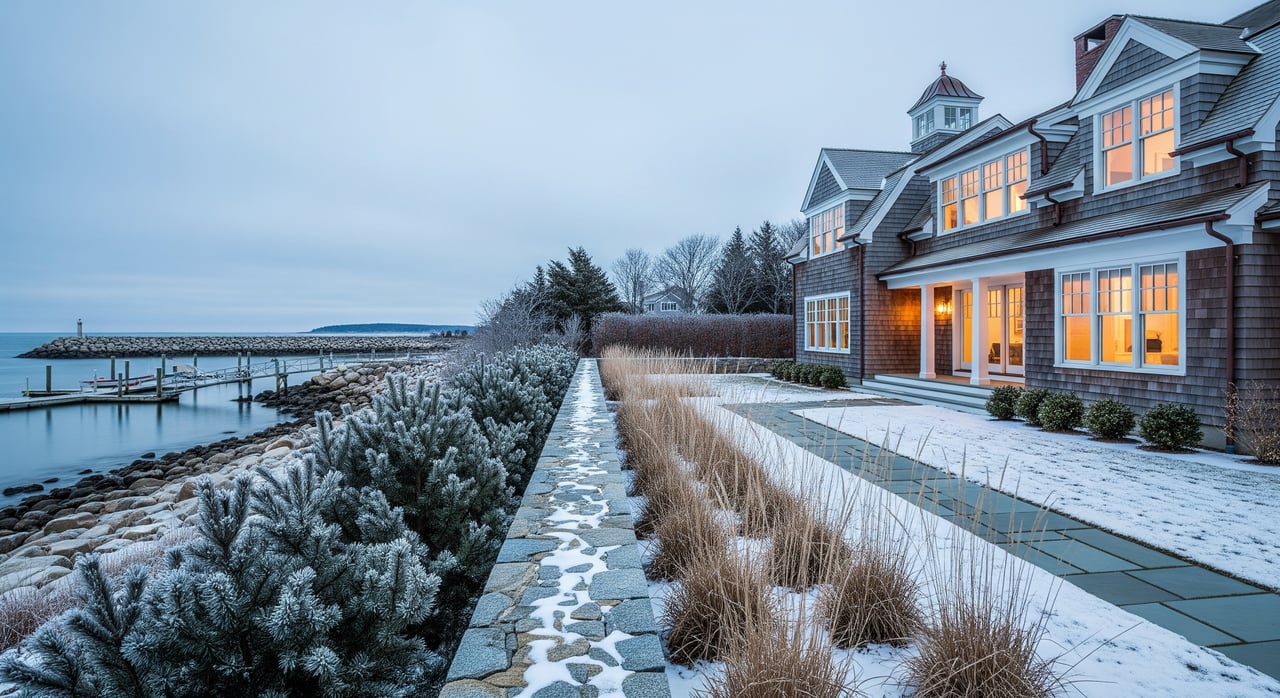
- Flood zones and insurance: Parts of Gloucester sit in FEMA flood zones. A mortgage lender will order a flood determination, but you should verify the map status and request an early insurance estimate so costs do not surprise you later.
- Salt exposure: Coastal air speeds up corrosion on metal components and can shorten the life of windows, doors, and HVAC equipment. Plan a careful exterior review.
- Permits and conservation: Properties near the water may have extra conservation or coastal permitting requirements. Confirm records with local offices before you finalize your offer strategy.
Ways to manage limits
- Keep your inspection contingency and add a re-inspection addendum for snow-covered elements.
- Use specialized inspectors familiar with New England coastal homes and Title 5.
- Request maintenance records for heating, oil tanks, roof, chimney, and any prior flood or storm claims.
- Negotiate escrow or repair credits for items that cannot be verified until thaw.
Logistics for Boston movers
Commute, schools, lifestyle timing
If you are relocating from Boston or nearby suburbs, think about how winter conditions affect your routine. Try your commute during a weekday storm to set realistic expectations. If a mid-year move is likely, review local school enrollment steps and timing so your transition is smooth. Winter can be a smart time to buy if you value negotiation leverage more than a synchronized summer move.
Lender, title, and municipal timing
Plan around holiday closures and potential slowdowns in late December and early January. Title companies, lenders, and municipal offices sometimes face seasonal backlogs. Build in a buffer, especially if your purchase requires permits, septic work, or recorded easements.
Plan your winter move day
Schedule snow removal and sand or salt for walkways. Protect floors during move-in and confirm utility transfers early, including oil or propane deliveries. If you are near the water, coordinate any seasonal systems, like boat storage or dock removal, with local vendors.
Buyer checklist for winter
- Keep inspection and financing contingencies in your offer.
- Add re-inspection rights for roof, septic, and drainage after thaw.
- Request maintenance records for heating, oil tanks, roof, chimney, and any flood or storm claims.
- Confirm flood zone status and obtain a flood insurance estimate early.
- If there is an in-ground oil tank, require a professional assessment or replacement contingency.
- Hire an inspector with coastal and Title 5 experience; bring in specialists as needed.
- Verify municipal permits, conservation restrictions, and property tax history.
- Allow extra time for holidays and municipal processing, or confirm expedited paths.
Why work with The Marrocco Group
Buying in winter rewards preparation and experience. You need a team that understands North Shore seasonality, coastal property nuances, and how to structure an offer that protects you without scaring off a motivated seller. The Marrocco Group pairs senior negotiation with local knowledge and a high-touch process that keeps your purchase on track. Our family-led team supports discerning buyers and selective coastal moves with clear guidance, responsive communication, and a proven approach.
If you are weighing a winter purchase in Gloucester, we can help you review comparables, tailor an offer, coordinate specialized inspections, and plan the right timeline. Ready to explore your options? Schedule a complimentary market consultation with The Marrocco Group.
FAQs
Is Gloucester a good place to buy in winter?
- Yes. Inventory is lower, but you face less competition, which can translate into better terms and more room to negotiate.
Do winter buyers really have more leverage in coastal towns?
- Often, yes. Many winter sellers are motivated, so credits, repairs, and flexible closings are more common, except for rare, high-demand homes.
Can inspectors evaluate a roof if it is covered in snow?
- They can assess visible conditions and attic clues, then you can include contract language for a follow-up roof check or a repair credit after thaw.
What is Title 5 and why does it matter in winter?
- Title 5 governs septic inspections in Massachusetts. Frozen ground can limit testing, so you may need conditional language or re-inspection after thaw.
How do I check flood risk for a Gloucester home?
- Your lender will order a flood determination, but you should also review FEMA flood maps and get an early insurance estimate to understand true costs.
Will a winter closing take longer?
- It can. Holidays and municipal schedules may slow permits and recordings. Build in a buffer or confirm expedited options with your team.
Are oil tanks a big concern in winter purchases?
- In-ground oil tanks can carry higher risk. Require documentation and a professional assessment, and consider a replacement contingency if needed.
What concessions should I ask for in winter?
- Roof or exterior credits, chimney servicing, oil tank evaluation, and closing cost credits are common, especially for items that cannot be fully inspected under snow.