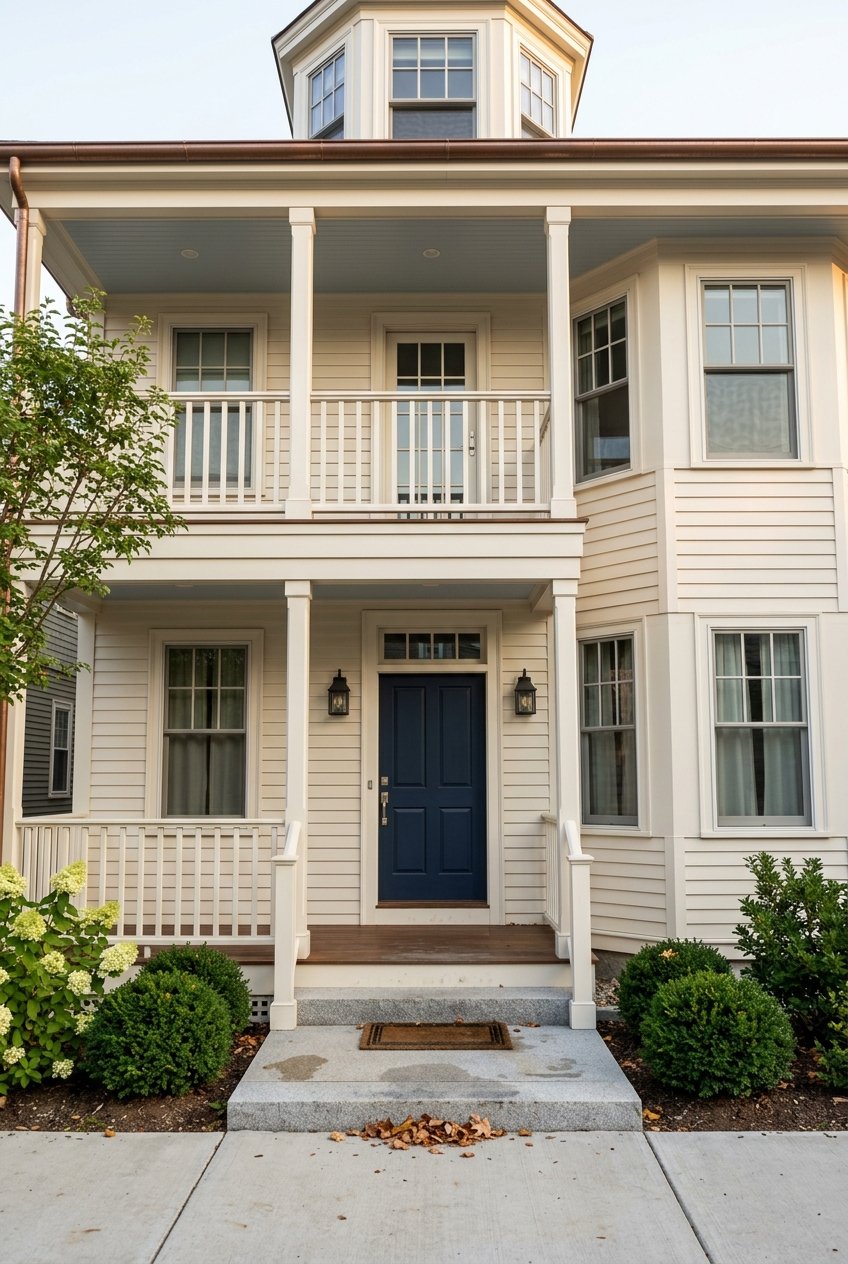
If you are thinking about buying in Medford, the biggest question may not be whether to buy, but what type of property makes the most sense for your goals. A condo, townhouse, or multi-family home can each solve a different problem, and in a competitive market, the tradeoffs matter quickly. This guide will help you compare the real costs, responsibilities, and opportunities in Medford so you can make a more confident decision. Let’s dive in.
Medford market conditions matter
Before you compare property types, it helps to understand the pace of the local market. In March 2026, Medford’s median sale price was reported at $860,000, with homes taking about 25 days to sell on average. That means buyers often need to evaluate value and fit on a fairly short timeline.
The current inventory also shows that condos, townhouses, and multi-families are behaving differently. Condos had 50 active listings with a median list price of $675,000 and about 3 offers on average. Townhouses had just 5 active listings with a median list price of $1.07 million and about 6 offers on average, while multi-family homes had 22 active listings with a median list price of $1.2 million and about 8 offers on average.
Condos offer the lowest entry point
For many buyers, condos are the most accessible way into Medford. Based on current listing data, they have the lowest median list price of the three property types covered here. That lower price point can make condo ownership appealing if you want to stop renting, stay in a preferred location, or keep your upfront purchase cost lower.
Condos can also simplify some parts of ownership. Exterior maintenance and common-area upkeep are usually handled through the association, which may reduce the day-to-day burden compared with owning a larger property. If you want a more streamlined ownership experience, that can be a real advantage.
Condo fees are part of the real price
The purchase price is only one part of the equation. In Massachusetts, condos are governed by the master deed, bylaws, deed, and Chapter 183A, and the state does not regulate condo associations. That means buyers need to pay close attention to the documents and budget details tied to the association.
Monthly condo fees, reserve contributions, and possible special assessments can change your true carrying cost. A lower list price may still lead to a higher monthly obligation than expected if the association has significant expenses or limited reserves. In practice, the fee history and financial documents can matter almost as much as the asking price.
Insurance and governance deserve a close look
Massachusetts guidance also notes that the master insurance policy often covers the building and common walls, while the individual owner typically needs an HO-6 policy for what the master policy does not cover. That split is important because it affects both your insurance planning and your understanding of risk.
You are also buying into a shared governance structure. Rules, maintenance decisions, reserve planning, and assessments can all affect your ownership experience. If you are considering a condo in Medford, reviewing those details early can help you avoid surprises later.
Townhouses offer space, but not necessarily savings
A townhouse can seem like the ideal middle ground. You may get more living space and a more house-like layout than a typical condo, while still avoiding some of the scale and complexity of a multi-family property. For buyers who want room to spread out, that appeal is easy to understand.
The challenge in Medford is that townhouses are currently scarce and expensive. With only 5 active listings and a median list price of $1.07 million, this category sits much closer to the upper end of the local market than to an affordability strategy. Buyers are often paying a premium for both extra space and limited supply.
Scarcity can intensify competition
Townhouses are also moving relatively fast. Current data shows about 23 days on market and roughly 6 offers on average. That combination of low inventory and strong competition can make it harder to negotiate on price or terms.
If you are targeting a townhouse, it helps to be realistic about the tradeoff. You may get a layout that feels more like a single-family home, but you are not necessarily getting a lower-cost alternative. In Medford’s current market, a townhouse is often a premium choice.
Multi-families create income potential
For some buyers, a multi-family home offers a very different path. Instead of focusing only on space or convenience, you may be looking for a property that can offset your monthly costs through rental income. That is a big reason multi-families continue to attract interest in Medford.
Current inventory reflects that demand. Multi-family homes had a median list price of $1.2 million, about 23 days on market, and an average of 8 offers. In other words, these properties are often the most expensive and the most competitive of the three categories.
Rent offset can help, but it is not automatic
Rental demand in Medford appears meaningful. Zillow reported an average rent of $3,602 across all bedrooms and property types, with average one-bedroom rent at $2,430 and four-bedroom rent at $6,638. Current two-bedroom and three-bedroom listings also show a wide range, from the high $2,000s into the mid-$5,000s depending on the property.
That said, rent potential is not the same as guaranteed income. Actual results can vary based on unit condition, layout, updates, building type, and vacancy. If you are buying a multi-family with rent offset in mind, it is smart to underwrite conservatively rather than assume best-case numbers.
Landlord duties are a real tradeoff
Owning a multi-family is more hands-on than owning a condo. Massachusetts requires landlords to provide safe, clean housing that complies with the Sanitary Code, include maintenance contact information in rental agreements, follow security deposit rules, and use the court process for eviction. If a property was built before 1978, lead-law documentation and disclosures may also apply.
That does not mean a multi-family is the wrong choice. It simply means the upside comes with added responsibility. If you value income potential and long-term wealth building, the extra work may be worth it, but you should go in with a clear picture of the commitment.
Larger buildings are viewed differently
There is another Medford-specific detail to keep in mind. The city assessor requests income and expense filings for commercial, industrial, and apartment properties with 4 or more units to help determine equitable values. That signals that larger rental buildings are treated as income-producing assets, not just owner-occupied homes.
For buyers considering the jump from a two-family or three-family to a larger building, that distinction matters. It can affect how you think about valuation, expenses, and the long-term role the property plays in your financial plans.
Financing may look different by property type
Financing options can shape your decision as much as the list price. For 1 to 4 unit owner-occupied properties, some buyers may have more flexibility than they expect. FHA loans can go as low as 3.5% down on 1 to 4 unit properties, and Freddie Mac’s Home Possible mortgage can go as low as 3% down for 2 to 4 unit owner-occupied primary residences.
That can make a multi-family purchase more reachable for some buyers who plan to live in one unit. At the same time, qualification standards, reserves, payment comfort, and overall risk tolerance still matter. The right financing path depends on your budget, goals, and how much complexity you want to take on.
Medford carrying costs go beyond the mortgage
No matter which property type you choose, you need to look at carrying costs beyond principal and interest. Medford’s FY2026 residential tax rate is $8.63 per $1,000 of assessed value, and real estate taxes are billed quarterly. Delinquent balances accrue interest at 14% per year, so staying current matters.
Medford also applies a 1.5% Community Preservation Act surcharge on annual property taxes, with exemptions. It may not be the largest line item in your budget, but it is still part of the total cost of ownership. When you compare a condo, townhouse, and multi-family, these smaller costs can add up over time.
Future supply could influence long-term decisions
Medford’s housing landscape is also evolving. The city says the Wellington Station Multi-Family Overlay District was approved by the state as fully compliant in September 2024, and the broader zoning overhaul remained active in 2025 and 2026. For buyers, that suggests future multifamily supply near transit could affect resale dynamics over time.
This does not point to a guaranteed outcome, but it is worth keeping in mind. If you are thinking long term, today’s purchase should be evaluated not only on current demand, but also on how the local supply picture may shift in the years ahead.
How to choose the right fit
The best choice usually comes down to what you want your property to do for you.
If your priority is a lower entry price and simpler exterior maintenance, a condo may be the best fit, provided you are comfortable with association rules, fees, and assessment risk. If your priority is more space and a more house-like feel, a townhouse may check those boxes, but in Medford it often comes with a premium price and limited inventory.
If your priority is rent offset or long-term income potential, a multi-family may offer the strongest upside. Still, that upside comes with more operational responsibility, stricter compliance demands, and a more competitive price point. The right answer is not about which property type is best overall. It is about which tradeoffs fit your budget, timeline, and tolerance for complexity.
Buying in Medford is rarely a one-size-fits-all decision, especially when each property type plays by a different set of rules. If you want help weighing price, monthly costs, competition, and long-term fit, The Marrocco Group can help you evaluate your options with clear, local guidance.
FAQs
What is the most affordable property type for buyers in Medford?
- Based on current listing data, condos have the lowest median list price in Medford at $675,000, compared with $1.07 million for townhouses and $1.2 million for multi-family homes.
What should condo buyers in Medford review before making an offer?
- Condo buyers in Medford should closely review the association documents, monthly fees, reserve funding, insurance structure, and any history of special assessments.
Why are Medford townhouses hard to find?
- Townhouses are a scarce segment in Medford right now, with only 5 active listings reported, which helps explain their higher prices and stronger competition.
Can a Medford multi-family property help offset your mortgage?
- A Medford multi-family property may help offset housing costs through rental income, but actual rent depends on the unit, condition, building type, and market conditions.
What landlord responsibilities come with a Medford multi-family home?
- If you own a multi-family home in Medford and rent units, Massachusetts requires you to provide safe and clean housing, follow security deposit rules, include maintenance contact information in rental agreements, and use the court process for eviction.
What property taxes should buyers expect in Medford?
- Medford’s FY2026 residential tax rate is $8.63 per $1,000 of assessed value, and the city also applies a 1.5% Community Preservation Act surcharge on annual property taxes, with exemptions.