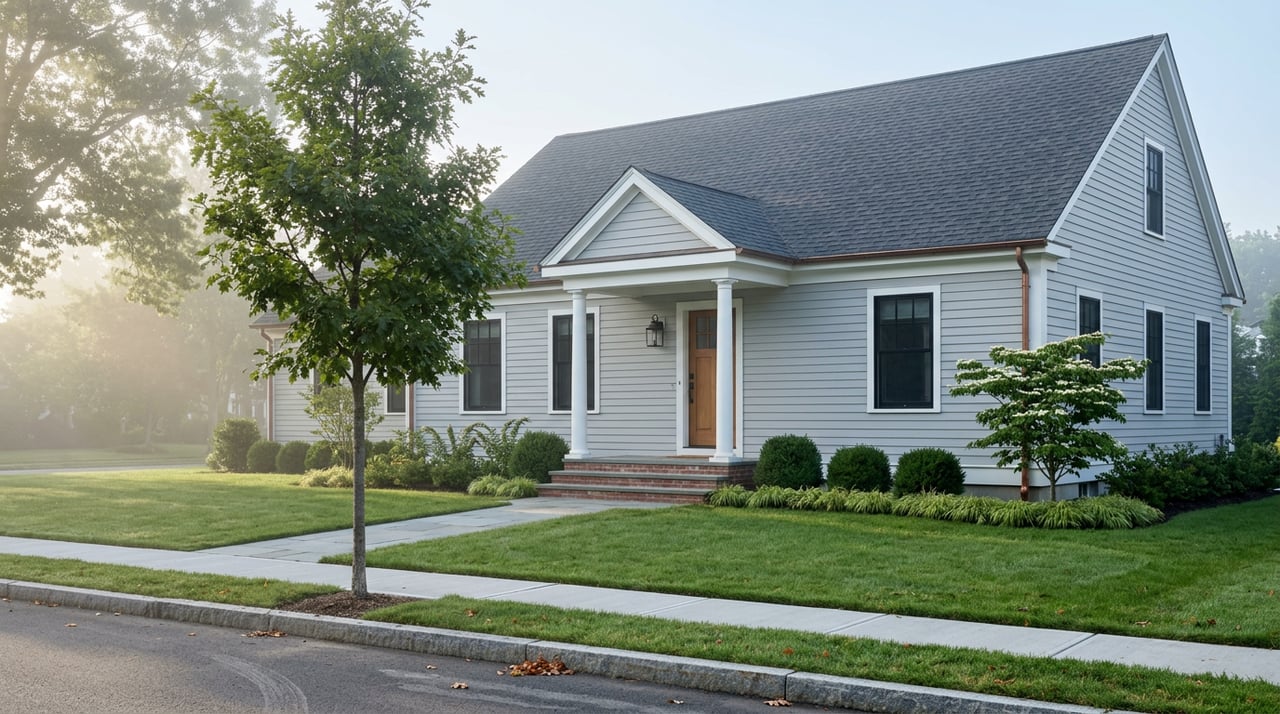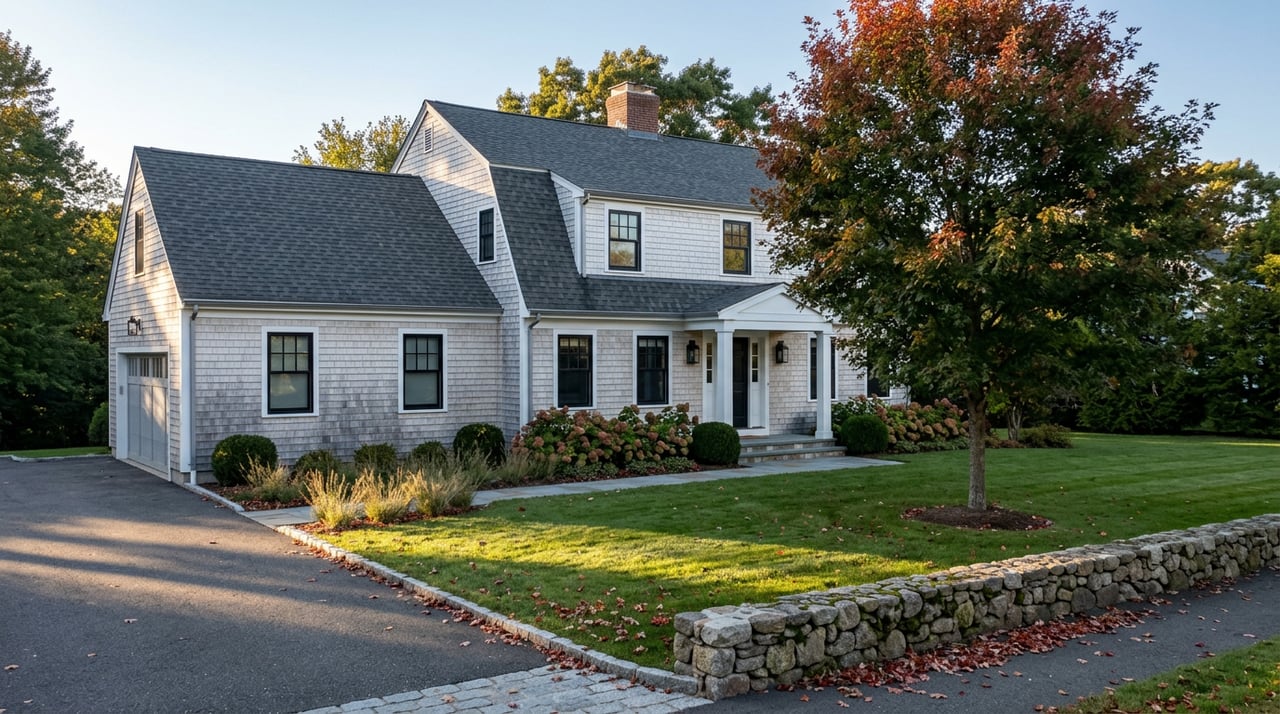
Thinking about leaving Cambridge or Somerville, but not ready to give up convenience, character, or access to Boston? Arlington often comes up for buyers who want a little more breathing room without moving too far out. If you are weighing that next step, this guide will help you understand where Arlington stands on cost, space, commute, and overall lifestyle so you can decide whether it fits your goals. Let’s dive in.
Arlington Cost Compared
If you are hoping Arlington will feel dramatically cheaper than Cambridge or Somerville, it helps to set expectations early. Arlington is often a step down in price, but it is still firmly part of the expensive inner-ring Boston market.
In a recent market snapshot, Arlington’s median sale price was about $857,000, compared with about $940,000 in Cambridge and $1.0 million in Somerville, according to Redfin housing market data. Recent rent snapshots also showed Arlington at about $2,800, compared with roughly $3,442 in Cambridge and $3,200 in Somerville. That can create meaningful savings, but usually not a bargain-level reset.
Longer-term ownership data tells a similar story. U.S. Census QuickFacts shows a median value of owner-occupied housing units at $933,800 in Arlington, compared with $1,108,800 in Cambridge and $911,300 in Somerville. In other words, Arlington may offer a different value equation, but not a low-cost one.
Arlington Feels More Residential
One of the clearest differences is density. Arlington simply feels less packed in than Cambridge or Somerville, and the numbers back that up.
Arlington’s 2025 official statement reports population density of 8,325.7 people per square mile. By comparison, Cambridge reports 18,591 people per square mile in its demographic FAQ, and Somerville cites about 19,590 people per square mile in its open space planning materials. That is a major difference in how the streets, housing patterns, and everyday pace can feel.
This is a big reason Arlington appeals to buyers coming from denser neighborhoods. You may still be close to the city, but day to day, Arlington often feels quieter and more residential.
Ownership Is A Bigger Part Of Arlington
Arlington also stands out as a more ownership-oriented market. For many buyers, that can translate into a stronger sense of stability and a housing mix that aligns better with longer-term plans.
According to Census QuickFacts, Arlington’s owner-occupied housing rate is 61.6%. That is much higher than Cambridge at 33.5% and Somerville at 34.2%. While no single number defines a community, this does help explain why Arlington often attracts buyers who are looking for a more settled home base.
Cambridge’s housing stock, by contrast, is heavily urban and multi-unit. The city reports that only 6.4% of dwellings are single-family, while a large share is in multifamily buildings and 66.5% of occupied units are renter-occupied, based on the city’s official demographic data. That difference matters if you are looking for more space, more privacy, or a home that feels like a longer-term fit.
Arlington Offers More Space Mindset
For many buyers, the move from Cambridge or Somerville to Arlington is less about chasing a lower price and more about changing how home feels. Arlington tends to offer a different rhythm.
The town describes itself as roughly 5.5 square miles with a strong preservation culture, historic buildings, and a recreated town common on its history and facts page. Its Cultural District runs along Massachusetts Avenue from East Arlington’s Capitol Square to Arlington Center, highlighting arts, dining, and historic sites. That gives Arlington a community-centered identity that feels distinct from the more intensely urban patterns of Cambridge and Somerville.
Somerville highlights its more than 20 squares, mixed housing and business environment, and strong arts scene in its city overview. Cambridge describes itself as a city shaped by universities, innovation, and a broad mix of residents in its community materials. Arlington is not trying to be either of those places, and that is often exactly the point.
Transit Tradeoffs To Know
The biggest lifestyle tradeoff is transit. If you are used to direct rail access in Cambridge or Somerville, Arlington requires a different commuting strategy.
Arlington’s official housing plan states that there is no rail service in town. Instead, bus connections provide access to the Red Line at Alewife and Davis, and the town notes that the Massachusetts Avenue bus lane supports MBTA routes 77, 79, and 350 on its transportation resources. The town also continues to invest in the Minuteman Bikeway, which adds another practical option for local travel.
By comparison, Cambridge has direct Red Line access at stops including Alewife, Porter, Harvard, Central, and Kendall/MIT, as noted in city transit updates. Somerville also has broad rail access, including the Green Line Extension stations at Union Square, East Somerville, Gilman Square, Magoun Square, and Ball Square, according to the city’s Green Line Extension page.
So yes, you can still commute efficiently from Arlington. But your day-to-day experience will usually be more bus-and-bike dependent and less subway-centered.
What About Schools In Arlington?
If schools are part of your move, it is important to stick with neutral, factual context. Arlington, Cambridge, and Somerville each serve different student populations, and district-wide data should be read with that in mind.
According to the Massachusetts Department of Elementary and Secondary Education, Arlington Public Schools serves 11 schools and 6,098 students in PK-12. Cambridge Public Schools serves 16 schools and 6,960 students, while Somerville Public Schools serves 11 schools and 4,876 students.
In the state’s 2025 accountability reporting, Arlington showed substantial progress toward targets and reported meeting or exceeding state targets in ELA, math, and science, based on the district’s accountability report. Cambridge also showed substantial progress toward targets, while Somerville was listed as not requiring assistance or intervention and made moderate progress toward targets.
Student population data also provides useful context. Arlington reports 29.5% high-needs students, 11.1% low-income students, and 4.6% English learners in the state’s student profile data. Cambridge and Somerville report higher percentages in those categories, which can influence district-wide averages and should be considered when comparing data.
Who Arlington Fits Best
Arlington tends to make the most sense if you want to stay close to Cambridge or Somerville while shifting toward a more residential environment. It can be a strong fit if your priorities include more space, a higher rate of homeownership around you, and a town identity that feels community-focused.
It may also appeal to you if you are comfortable trading direct rail access for bus connections, bike infrastructure, and a quieter home base. That tradeoff is often worth it for buyers who are less focused on being in the middle of dense street life every day.
On the other hand, if immediate subway access and a highly urban, always-on environment are central to your lifestyle, Cambridge or Somerville may still align better. Arlington is close, but it offers a noticeably different way of living.
Bottom Line On Arlington
Arlington is often the next logical move for buyers coming from Cambridge or Somerville who want a little more room and a more residential setting without leaving the inner ring. It is usually more affordable than Cambridge and often lower on rent than both Cambridge and Somerville, but it remains a premium market.
The real draw is not dramatic savings. It is the combination of lower density, stronger ownership patterns, neighborhood character, and still-practical access to the city. If that sounds like the shift you are looking for, Arlington deserves a serious look.
If you are comparing Arlington with other Middlesex County suburbs and want guidance grounded in local market knowledge, The Marrocco Group can help you evaluate your options with a clear, thoughtful strategy.
FAQs
Is Arlington cheaper than Cambridge or Somerville?
- Arlington is usually less expensive than Cambridge and often lower than Somerville on rent, but it is still a high-cost Greater Boston market.
Does Arlington feel more suburban than Cambridge or Somerville?
- Yes. Arlington has much lower population density, a higher owner-occupancy rate, and a more residential town identity.
Does Arlington have subway service like Cambridge or Somerville?
- No. Arlington does not have rail service in town, so commuting is more dependent on bus connections to the Red Line and bike routes.
Is Arlington a good fit if you want more space?
- For many buyers, yes. Arlington is often appealing because it offers a less dense environment and a more ownership-oriented housing market.
How do Arlington schools compare with Cambridge and Somerville schools?
- District data shows Arlington, Cambridge, and Somerville all have different student populations and accountability results, so it is best to review official state data in context rather than rely on simple rankings.