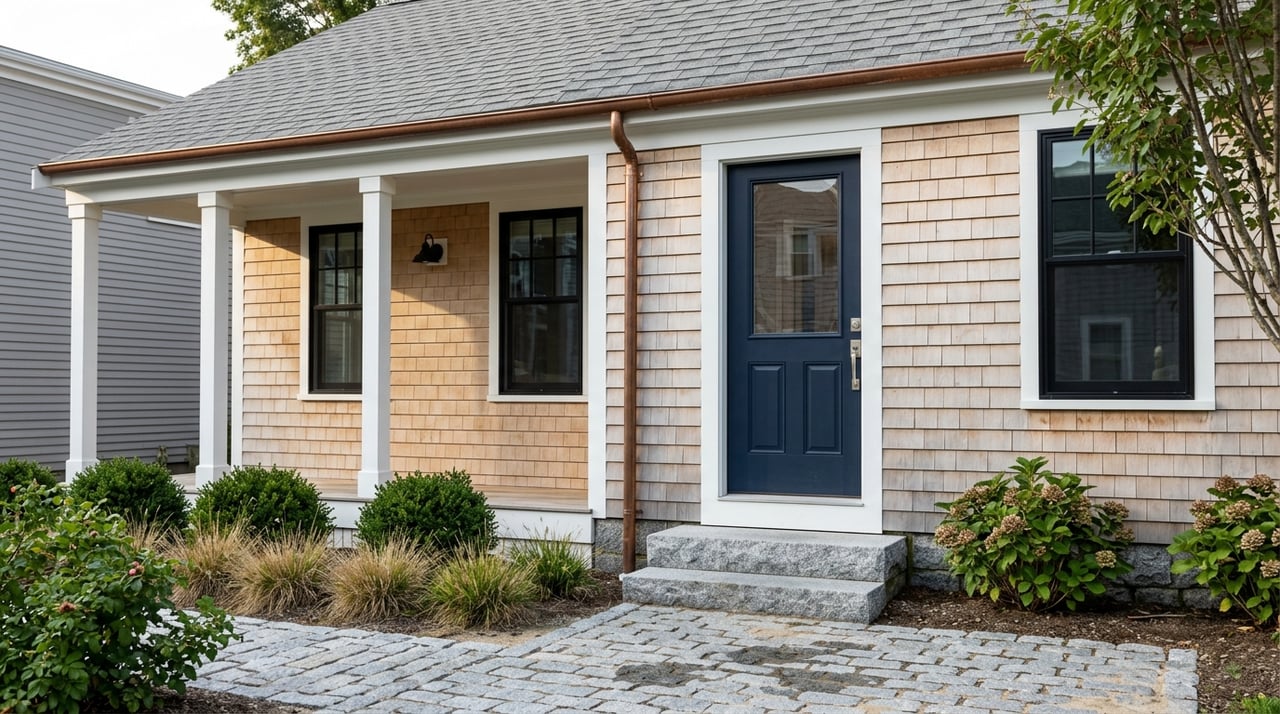
If you picture Gloucester as a summer-only beach town, you may miss what matters most as a buyer. Living here full time means enjoying the coastline in every season while also planning for winter weather, storm exposure, and a calendar that feels very different in January than it does in July. If you are considering a primary home in Gloucester, this guide will help you think through the day-to-day realities so you can buy with more confidence. Let’s dive in.
Gloucester Is a True Four-Season Market
Gloucester sits on the Atlantic and has more than 64 miles of shoreline, so coastal conditions are part of everyday life, not just a backdrop for summer weekends. According to the city’s planning materials, weather, storms, and water access all shape how residents experience the community year-round.
The climate reflects that four-season pattern. Long-term summaries show average January temperatures around 34.9°F for highs and 26.1°F for lows, while July averages around 72.9°F and 64.9°F. Annual precipitation is about 30.75 inches, with snowfall mainly concentrated from November through April, according to the City of Gloucester community setting plan.
For you as a buyer, that means Gloucester is not just about beach access and harbor views. It is also about how a home performs during colder months, windier conditions, and storm season.
Weather Affects Home Ownership
Gloucester’s hazard planning documents point to winter storms, coastal flooding, and storm-susceptible shorefront areas as recurring issues. The city also notes mitigation tools such as flood insurance participation, snow removal, and storm-focused zoning overlays in its hazard mitigation plan.
That does not mean every property carries the same level of risk. It does mean a year-round buyer should look closely at flood exposure, exterior upkeep, and storm readiness before making an offer.
Summer and Winter Feel Very Different
One of the biggest adjustments for coastal buyers is understanding Gloucester’s seasonal rhythm. Local planning and tourism sources describe Gloucester as a major summer destination, and the city’s housing plan cites roughly 400,000 annual visitors drawn by beaches, fishing, whale-watch activities, festivals, and day trips, as noted in the Gloucester housing production plan.
In practical terms, summer often feels more active, more crowded, and more visitor-oriented. Traffic, parking, and popular waterfront areas can all feel busier during the peak season.
Winter brings a different pace. Gloucester still offers year-round activity, but the atmosphere is quieter and more residential, which many full-time owners see as a benefit.
Year-Round Events Still Add Energy
Even outside peak season, Gloucester is not shut down. Current tourism listings include events such as Gloucester’s So Salty, Winter Lights on Cape Ann, Culture Splash in July and August, and the annual Gloucester Schooner Festival over Labor Day weekend.
That said, some visitor-focused services remain seasonal. Discover Gloucester notes that some accommodations operate only in spring, summer, and fall, and the Stage Fort Park visitor center is open from Memorial Day through Columbus Day. For buyers, the takeaway is simple: Gloucester stays active year-round, but the level of activity changes meaningfully with the season.
Off-Season Living Is Practical, but Expectations Matter
If you are planning to live in Gloucester full time, everyday convenience matters just as much as scenery. One encouraging sign is that many local dining options remain open through winter and the shoulder seasons.
Discover Gloucester’s winter guidance highlights restaurants and cafes that continue serving residents and visitors during colder months, including 1606 Restaurant & Oyster Bar, Seaport Grille, Mile Marker One, Minglewood Harborside, and other year-round options. Directory listings also note that George’s Restaurant and Bar is open daily year-round, Tonno is open year-round, and Turner’s Seafood offers year-round takeout.
This supports the idea that full-time living is very workable here. Still, not every shop, lodging option, or tourism-focused business will operate on the same schedule in January as it does in July.
Know What “Open Year-Round” Really Means
For some buyers, a quieter off-season is part of the appeal. For others, especially those expecting a constant vacation-town atmosphere, it can feel like a shift.
The key is to buy with the real rhythm of Gloucester in mind. If you want a lively summer and a calmer winter, the city may be a strong fit. If you want the same level of retail, tourism, and hospitality activity every month, you should expect some seasonal variation.
Commuting Works, but Timing Is Important
Gloucester offers solid transportation connections for a coastal community. The city is about 27 miles northeast of Boston and is served by the MBTA Rockport commuter rail line, Routes 127, 128, and 133, along with local bike corridors, according to the city’s planning documents.
The same materials note that both Downtown Gloucester and West Gloucester have direct commuter rail access to Boston’s North Station. CATA also operates six bus lines around Cape Ann, plus paratransit and on-demand service.
For buyers who plan to commute or make frequent regional trips, this accessibility is a plus. But mileage alone does not tell the full story.
Congestion Can Shape Your Routine
Gloucester’s planning documents also state that traffic volumes on many local roads exceed design capacity, especially at peak times and major intersections. That means a short trip on the map may still require patience, particularly during summer or bad weather.
If your routine includes commuting, errands across town, or regular trips to Route 128, it is smart to think beyond distance. Travel time in Gloucester can depend heavily on season, weather, and time of day.
Local Transit Adds Flexibility
CATA can be a useful backup or supplement to driving. Its fixed-route buses are fare-free through 2026, and its on-demand service operates Monday through Friday from 6:30 a.m. to 8:00 p.m. with a $2 fare per ride, according to Cape Ann Transportation Authority service updates.
CATA also runs seasonal beach bus service in summer, connecting the Gloucester commuter rail station with destinations such as Stage Fort Park, Rocky Neck, and Bass Rocks. For some buyers, especially those thinking about one-car living or easier summer mobility, that added flexibility can be valuable.
Coastal Due Diligence Matters More Here
Buying in Gloucester calls for focused due diligence. In many markets, buyers start with layout, finishes, and location. In a coastal market, you also need to understand how the property handles water, weather, and infrastructure.
The city’s planning documents note that public water and sewer serve most of Gloucester, but several rural areas in West Gloucester still do not have sewer service. You can find that context in the community setting plan.
If you are considering an older home, a more outlying property, or a home where future expansion matters, utility questions should be part of your process early.
Flood Risk Should Be Reviewed Early
Flood exposure is one of the most important parts of coastal due diligence. Gloucester’s hazard plan highlights flood-related protections and NFIP participation, while the city also notes that downtown areas face greater coastal flood risk and that the Atlantic Road overlay district was created to help protect the Back Shore from storm impacts.
For you, that means flood status, insurance implications, drainage, and site conditions should be reviewed before you get too far into the transaction. Waiting until late in the process can create avoidable surprises.
Salt Air and Storm Prep Are Ongoing Realities
Even when a property is not in the highest-risk flood area, coastal ownership often involves more exterior maintenance. Salt air, wind exposure, and winter weather can all affect siding, trim, roofing, windows, and outdoor systems over time.
That is not a reason to avoid Gloucester. It is simply part of owning in a shoreline community, and the right home for you is often the one that matches both your lifestyle and your comfort level with maintenance.
Who Tends to Thrive in Gloucester Year-Round?
Year-round living in Gloucester can work very well if you value coastal scenery, a strong sense of season, and a lifestyle that shifts between busy summers and quieter winters. Many buyers are drawn to that balance because it offers both energy and breathing room.
In general, Gloucester tends to suit buyers who are comfortable with a little more planning around weather, traffic timing, and property upkeep. If you want a true coastal home base rather than just a seasonal getaway, that mindset can make a big difference.
A thoughtful purchase here is less about chasing a postcard image and more about understanding daily life. When you do that well, Gloucester can be a rewarding place to call home all year.
If you are thinking about buying a coastal home and want practical guidance on how to evaluate year-round fit, property risks, and lifestyle tradeoffs, The Marrocco Group is here to help.
FAQs
What is year-round weather like in Gloucester, MA?
- Gloucester has cold winters and mild-to-warm summers, with average January temperatures around 34.9°F and 26.1°F and average July temperatures around 72.9°F and 64.9°F.
What should buyers know about flood risk in Gloucester, MA?
- Buyers should review flood exposure, insurance needs, drainage conditions, and storm-related property risks early because Gloucester’s planning documents identify coastal flooding as an important local issue.
Is Gloucester, MA busy only in summer?
- No. Gloucester has year-round events and amenities, but summer is much busier due to tourism, while winter usually feels quieter and more residential.
Are restaurants and amenities open in Gloucester, MA during winter?
- Many dining spots remain open through winter and the shoulder seasons, but some visitor-focused businesses and accommodations operate more seasonally.
Is commuting from Gloucester, MA to Boston realistic?
- Yes. Gloucester has MBTA commuter rail access to North Station and local bus service, but traffic congestion, weather, and seasonal volume can all affect travel time.
Do all Gloucester, MA homes have public sewer service?
- No. City planning documents note that while most of Gloucester has public water and sewer, some rural parts of West Gloucester still do not have sewer service.